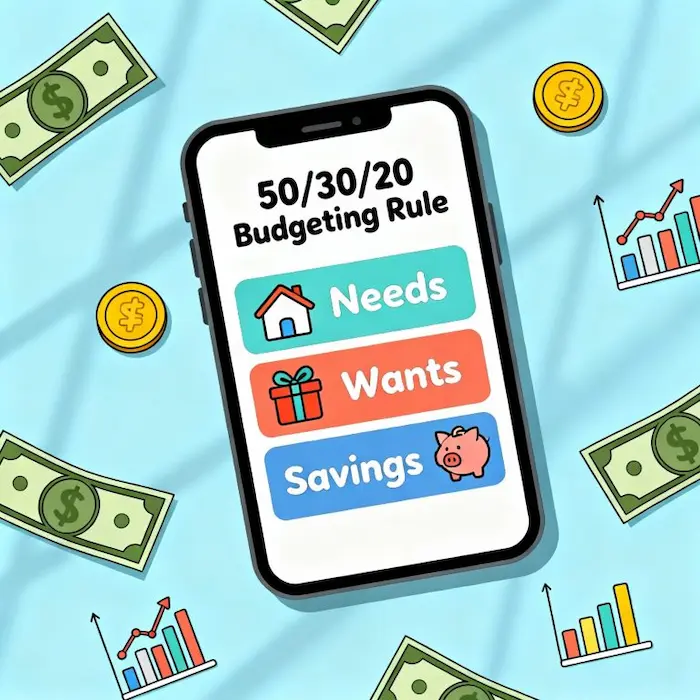
You’ve downloaded every budgeting app the internet swears by. You’ve color-coded spreadsheets. You’ve tried that famous 50/30/20 rule—only to find yourself wondering where your paycheck disappeared halfway through the month. No matter how carefully you plan, it feels like your money slips through the cracks anyway.
That’s when the frustration hits. You start to think something must be wrong with you, not the budget. You tell yourself you’re “terrible with money,” when really, you’ve been following systems that miss something big: emotion.
Most traditional budgets are designed around control—what you can’t spend, what you should cut, how to shrink your life until the numbers behave. They promise freedom but feel like punishment. Over time, the guilt builds. You start avoiding your budget altogether, swapping discipline for denial. And just like that, another month ends in the same spot—broke, stressed, and over it.
But what if budgeting didn’t have to feel like a diet for your wallet? What if it actually made you excited about spending again—without ruining your savings goals?
That’s where a different approach comes in—not a new formula, not another complicated system, but a mindset shift that flips budgeting on its head. I call it the “Joy-First Budget.” It’s built to work even if you’ve failed every budget before, and it starts by asking one simple question: what if joy came first?
The Real Problem Isn’t Your Math—It’s Your Method
Let’s be honest: the problem isn’t that you can’t add. It’s that traditional budgeting treats you like a robot who flawlessly follows categories and limits every single day. But humans don’t live in tidy spreadsheet cells. Life does not always fit neatly into “groceries,” “entertainment,” or “transportation,” no matter how carefully you plan.
Think about it. You start the month with the best intentions to keep your spending on track. Then someone texts, “coffee after work?” or a coworker invites you to a quick lunch. Maybe your favorite artist announces a surprise concert, or your friend’s birthday dinner pops up. Suddenly those “non-essential” categories start looking a lot more human—and your budget starts falling apart.
When budgets are built around guilt, that moment of joy gets replaced with shame. You tell yourself you “shouldn’t have spent that” or you “messed up the plan,” and instead of adjusting, you give up altogether. This guilt spiral is why so many people stop tracking their money mid-month. It’s not discipline they lack—it’s flexibility.
Behavioral psychology shows that we thrive on rewards and emotional connection, not punishment. Budgets that only focus on restraint trigger rebellion. You crave freedom, not friction. And when your system ignores that, burnout becomes inevitable.
Sustainable money habits come from systems you actually enjoy engaging with. It’s not about perfect math; it’s about designing something you’ll still want to use in six months. The truth is, real life will always involve messy moments, surprise expenses, and random splurges. And that’s okay. What matters is learning to plan for your reality instead of an idealized version of yourself.
That’s exactly where this new approach comes in—a simple but powerful budgeting trick designed for real life. One that factors joy and spontaneity into your plan without blowing it apart.
The Trick Explained—The “Joy-First Budget” Approach
Here’s the twist that changes everything: instead of starting your budget by cutting back, you start by saving for joy. Seriously. The first line in your budget shouldn’t be rent, bills, or savings—it should be a small, guilt-free “joy fund.”
This is what I call the Joy-First Budget. The idea is simple. You stop treating joy like the leftover piece of the pie and give it a place at the table from the beginning. Instead of saying, “I’ll save what’s left after I live,” you flip the script and say, “I’ll live intentionally and save as I go.” By assigning a tiny portion of your income to enjoyment first, you give yourself permission to feel abundant instead of deprived.
Here’s how it looks in real life. Let’s say you make 500 dollars a week. The old-school approach might tell you to save 100, cover your expenses, and try to not touch the rest. The Joy-First method says: take 20 to 30 dollars right off the top and call it your “micro joy fund.” That’s money you’re encouraged to spend—guilt-free—on whatever lights you up. A coffee date, a movie ticket, a new book, or even a solo dinner out just because you can.
The psychology behind this is powerful. When you give yourself permission to enjoy your money intentionally, your brain stops associating budgeting with restriction. You’re no longer rebelling against your own rules. Instead, you start following them naturally, because they feel aligned with how you actually live. That tiny fund rewires your relationship with money from “I can’t” to “I choose.”
And that’s the secret—it’s not about the size of the joy, it’s about the act of prioritizing it. That twenty-dollar-a-week allowance builds consistency, which builds confidence, which builds financial calm. Over time, as your habits strengthen, that same mindset starts spilling into your savings and spending decisions everywhere else.
The Joy-First Budget isn’t about spending recklessly. It’s about designing your financial plan around what motivates you, not what shames you. When you start from joy, discipline becomes effortless—and that’s where real balance begins.
Step-by-Step to Try It Yourself
You don’t need fancy spreadsheets, financial degrees, or complex budgeting apps to make the Joy-First Budget work. What you need is a simple rhythm that helps you stay consistent. Here’s how to start applying it right away.
Step 1: Write down one or two things that genuinely make your week better.
Think of the tiny moments that lift your mood—a Saturday coffee ritual, an evening walk with an iced drink, a midweek lunch out, or buying a small bouquet for your room. These are your joy triggers. Naming them makes those expenses intentional instead of impulsive. This step grounds your budget in reality—the life you actually want to live.
Step 2: Define your non-negotiables.
List your essentials: rent, groceries, transportation, bills, and minimum debt payments. This anchors your baseline. Once these are mapped out, everything else becomes flexible space to plan around. You’d be surprised how much clarity this brings when you stop treating every purchase as equal in weight or urgency.
Step 3: Automate both—joy money and essentials—before discretionary spending.
The secret sauce is automation. Set up transfers that happen right after payday: one to cover essential bills, and one small transfer to your separate “joy fund.” Whether it’s 20 or 30 dollars a week doesn’t matter—it’s about consistency. When this happens automatically, you never face the mental tug-of-war of “Can I afford to have fun?” Your system already said yes.
Step 4: Track for one month using simple notes or banking alerts.
Forget complicated spreadsheets. Just use your phone’s notes app or enable transaction alerts from your bank. Each week, jot down where your joy fund went and how it made you feel. The goal isn’t perfection—it’s awareness. You’re learning your natural rhythm with money, not auditing yourself.

Step 5: Adjust weekly, not monthly.
This part keeps you motivated. A month is too long to wait for feedback—you lose interest before you see progress. Instead, every weekend, do a quick five-minute review: Did last week’s spending reflect your priorities? Do you need to top up your joy fund or pull back a little? These small tweaks keep the process alive and flexible.
By the end of your first month, you’ll notice something subtle but powerful: you’re not afraid to look at your money anymore. You’ll feel more present, more intentional, and yes—happier with where your money goes. That’s the real win.
Why It Works (According to Behavioral Psychology)
The reason the Joy-First Budget feels so different—and actually sticks—is because it works with your brain, not against it. Most traditional budgets trigger a sense of loss: every “no” releases stress hormones, making you crave escape spending later. The Joy-First approach flips that by using your brain’s reward system to build motivation instead of resistance.
This method taps into dopamine—the neurotransmitter linked to anticipation and reward. When your brain expects a small, positive outcome, it releases dopamine in advance. That’s why planning a Friday coffee or little weekend treat can feel almost as rewarding as the event itself. The anticipation keeps you engaged, which helps the habit last.
Behavioral psychologists call this a “habit hook.” Just like how a fitness plan succeeds when you celebrate small milestones—like tracking a single workout or hitting 5,000 steps—a money plan grows stronger when it has built-in wins. Those moments of joy become psychological anchors that tell your brain, “This behavior feels good. Let’s repeat it.”
The Joy-First Budget also uses a concept called “variable reinforcement.” When your rewards happen regularly but not predictably, the brain stays even more engaged. For instance, one week your joy fund might go toward a coffee date, another week a self-care purchase, or maybe you save it for a concert ticket later. The variety maintains excitement, keeping the budgeting process from feeling stale or robotic.
Over time, this changes your emotional relationship with money control. Instead of associating budgeting with deprivation, your brain begins to link it with feelings of progress and satisfaction. Paying bills on time starts feeling like stability, not sacrifice. Choosing not to spend stops being an act of punishment—it becomes an act of self-trust.
The real psychology behind the Joy-First method is that it rewards discipline in real time. Instead of waiting for distant financial goals to make you feel accomplished, you experience weekly, tangible proof that you can balance enjoyment and responsibility. Small wins compound, and those tiny bursts of positive feedback gradually rewire how you see budgeting altogether.
In short, joy creates momentum. When your system makes you feel good, consistency stops being effort—it becomes automatic.
Common Mistakes When You Try This
Like any new habit, the Joy-First Budget takes a little practice. The goal isn’t perfection—it’s consistency. Still, a few easy-to-miss mistakes can make the process harder than it needs to be. Here are some to watch out for and how to fix them.
1. Going too big with your joy fund.
It’s tempting to get excited and allocate a large amount toward fun right out of the gate. The problem? It throws off your essentials and creates stress instead of motivation. Start small—think 20 or 30 dollars a week. As you get comfortable and find balance, you can always scale it up later.
2. Forgetting to automate both joy and savings.
Without automation, your best intentions stay intentions. If you have to manually move your joy or savings money each week, life will eventually get in the way. Set up automatic transfers right after payday. That way, your priorities—both joy and security—happen before spending can derail them.
3. Treating it like a reward instead of a habit.
This is the biggest mindset trap. When people treat the joy fund as something they “earn” after being disciplined, they turn it back into guilt-based budgeting. The point is to make joy part of the plan, not a postscript. It isn’t a prize—it’s a pillar of your system.
4. Judging yourself too early.
The first month will feel messy. You might overspend one week and underspend the next. That’s completely normal. Building comfort around money takes repetition, not perfection. Pause judgment for the first few weeks and just observe what works. Think of it as collecting data on your habits, not grading yourself.
5. Keeping the joy money mixed with daily spending.
When your joy fund blends into your checking account, it’s easy to lose track. Open a separate account or digital wallet for your micro-joy fund. Seeing that little pot grow and move each week keeps the system visible—and satisfying.
Remember, progress comes from patience. Let yourself wobble while building this new rhythm. Over time, it becomes second nature, and the balance between joy and responsibility starts to feel effortless.
What Happens After 3 Months of Doing This
Three months is often where the magic happens. By then, your brain and wallet start syncing in a new rhythm—and the results go far beyond dollars. You begin noticing that money stress doesn’t dominate your thoughts anymore. You feel calmer, more in charge, and surprisingly proud of the small progress you’ve made.
Take Alex, for example. When she started the Joy-First Budget, she could barely save. Every paycheck disappeared within days, and guilt followed every coffee or grab-and-go lunch. So she began small—with just 10 dollars a week in her joy fund. At first, it felt almost pointless. But by week four, something shifted. She wasn’t overspending mindlessly anymore because she knew she had pre-approved joy money. Those small withdrawals stopped the cycle of spend-regret-avoid-repeat.
By the end of 12 weeks, Alex had saved nearly 400 dollars without major lifestyle changes. More importantly, she had clarity. She started seeing patterns: emotional triggers that made her splurge, moods that led her to shop online, and the difference between wanting something and needing a pick-me-up. That awareness became her superpower.
What’s most interesting is that consistent joy actually made her save more. Because she felt satisfied, she didn’t chase impulse dopamine hits through random spending. The calm she built from her micro-joy fund translated into fewer emotional purchases, steadier habits, and confidence to set bigger goals—like building a rainy-day fund or paying off debt.
You’ll likely notice the same. Three months of Joy-First budgeting teaches you that control and freedom can coexist. The guilt you used to feel about spending fades because your choices are planned, intentional, and aligned with what truly matters to you.
Those small wins—the weekly moments of joy and steadiness—lay the groundwork for long-term financial stability. Once you see that balance is possible, saving stops being something you “should” do and becomes something you naturally want to maintain.
In short, three months is all it takes to prove that joy and discipline aren’t opposites—they’re partners. And once you’ve tasted that balance, there’s no going back.
How to Evolve the Trick Once It’s Working
Once the Joy-First Budget becomes second nature, it’s time to expand and customize your system to fit your evolving goals and lifestyle. The beauty of this method is its flexibility—it grows with you instead of locking you into rigid rules.
Start by adding “future joys” to your budget. These are savings goals tied to things you look forward to down the road, like a weekend getaway, a creative project, or even upgrading your tech gear. Set aside a small, dedicated amount each pay period for these aspirations. Like your micro joy fund, these “future joys” keep your budget inspiring and motivating.
Next, layer in your debt payoff or investment contributions. Now that you have a rhythm for daily joy and essentials, you can treat paying off a credit card or investing in a retirement fund as another priority line—just like your joy fund. Automate these transfers so they fit effortlessly into your system.
Every quarter, take a moment to review and rebalance your categories. Life changes—and so do your priorities. Maybe that $20 joy fund needs adjusting, or your travel fund can take a break. This quarterly check-in keeps your budget aligned with your current values without feeling like a chore or punishment.
As your Joy-First Budget evolves, it can become more than just a month-to-month exercise. It can transform into a full lifestyle money system that supports everything from daily happiness to long-term wealth—without the overwhelm or guilt most budgets bring.
Personalization is key. Some people love apps that automate and track spending visually. Others prefer old-fashioned journaling or simple banking alerts. There’s no one-size-fits-all here—choose tools and methods that feel natural and even enjoyable to you.
The goal is a money practice that fits you—not the other way around. When your budget works with your life, not against it, you’ll discover that managing money can be both productive and joyful indefinitely.
Conclusion: Budgeting That Finally Feels Like Freedom
Budgeting doesn’t have to feel like a punishment or a rigid set of rules that drains your energy. When done right, it reflects your values, supports what makes you happy, and builds discipline that feels natural—not forced. The Joy-First Budget flips the narrative. By starting with what brings you joy, you create a money plan that feels aligned with who you are, not who you think you should be.
Imagine looking at your bank account and feeling calm, confident, and even excited—because your budget isn’t about restriction; it’s about intentional living. This approach invites you to try something different this week: carve out a small joy fund, automate it, and watch how it shifts your mindset.
You might be surprised how quickly that tiny change transforms your relationship with money—from stress and guilt to balance and freedom.
So here’s the challenge: Make your money plan feel human again. Start with joy, build from there, and reclaim control in a way that lets you live fully—with both security and delight.
Your budget can be your greatest tool for freedom, not frustration.
Are you ready to try the Joy-First Budget?