

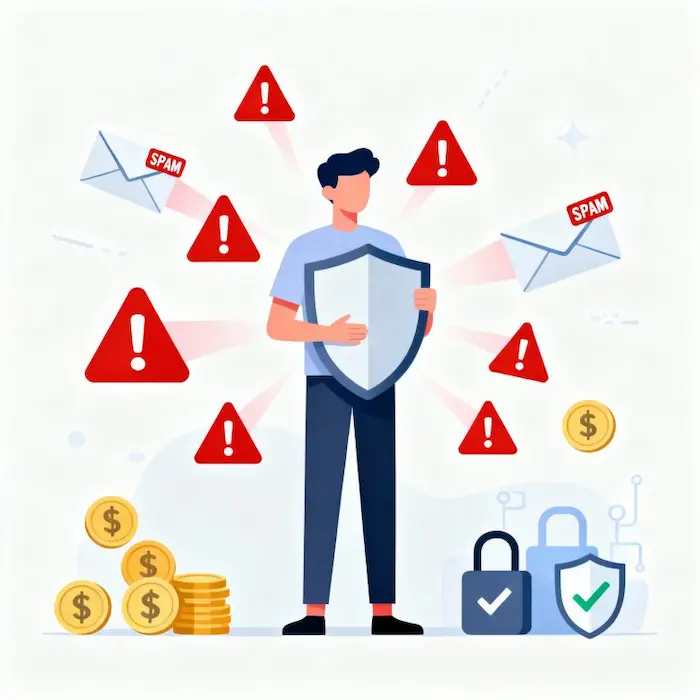
Hey, you. These days, financial scams are everywhere, and they’re getting sneaky. Whether it’s a phishing email, a fake check, or someone pretending to be a government official, scammers are always looking for ways to trick you out of your hard-earned money.
Protecting yourself isn’t just smart — it’s essential. The good news? You can outsmart these fraudsters by following some simple yet powerful money rules and staying vigilant. Let’s break down how you can keep your money safe and your peace of mind intact.
Common Types of Financial Scams You Should Watch For
Understanding the scams out there is your first line of defense. Here are some of the most common ones:
- Fake Check Scams: Someone sends you a check for more than an item’s price and asks you to send back the difference. The original check bounces, and you lose the money you sent.
- Imposter Scams: Scammers pretend to be trusted entities like IRS agents, banks, or even relatives asking for money.
- Phishing: You get emails or texts that look legit but are fake, designed to steal your personal info or login details.
- Investment Scams: Promises of high returns or secret opportunities to make money quickly — if it sounds too good to be true, it probably is.
- Romance & Sweetheart Scams: Fraudsters pretend to be interested in a relationship and ask for money over time.
- Identity Theft: Scammers steal your personal information and use it to open credit accounts or commit fraud in your name.
How to Spot Financial Scams
Here are some red flags that tell you something’s fishy:
- Urgency and pressure to act fast.
- Requests for upfront payments, especially via wire transfer, gift cards, or cryptocurrency.
- Offers that seem too good to be true.
- Communication from unknown numbers, emails, or social media profiles.
- Poor grammar or odd language in official-sounding messages.
- Asking for confidential information like passwords, social security numbers, or account details.
Money Rules to Protect Yourself from Scams
1. Always Verify the Source
If someone contacts you about money matters, don’t trust them immediately. Call the organization directly using an official phone number or website.
2. Never Share Sensitive Information
Keep your personal info sacred. Don’t give out passwords, social security numbers, or bank details over phone, email, or text. Legitimate companies won’t ask for this unsolicited.
3. Use Strong Passwords and Two-Factor Authentication
Protect your accounts with complex passwords and enable two-step verification wherever possible to block unauthorized access.
4. Regularly Monitor Your Accounts
Keep an eye on your bank, credit card, and credit reports for unusual activity. Early detection can save you headaches and money.
5. Educate Yourself
Stay updated on the latest scams and educate friends or family who might be vulnerable. Knowledge is one of the best defenses.
What to Do If You Suspect a Scam
- Stop all communication with the suspicious party.
- Report the scam to your bank and financial institutions immediately.
- Change all your passwords for related accounts.
- File a complaint with authorities like the Federal Trade Commission (FTC), your local police, or consumer protection agencies.
- Consider placing a fraud alert or credit freeze with credit bureaus to prevent identity theft.
Use Technology to Boost Your Defenses
- Install reputable antivirus and anti-malware software.
- Keep your devices’ software updated.
- Use secure Wi-Fi networks, especially when handling financial tasks.
- Enable alerts on your accounts to get notified instantly about transactions.
Protect Yourself Socially and Emotionally
Scammers rely on human connection — they prey on trust, fear, and urgency. It’s okay to be cautious and to seek advice from someone you trust if you’re unsure. Don’t be embarrassed to say no or hang up. Your safety matters most.
Final Thought: Protecting Your Money Is Your Superpower
Financial scams are scary, but you’re smarter and stronger than the scammers. Use these money rules and smart habits to keep your money and information locked tight.
Staying informed, cautious, and proactive isn’t just protection — it’s empowerment.



Not a working